

Photo: SA Parliament House with red overlay. Adapted from Wikimedia Commons. South Australians went to the polls on 21 March 2026, and gave us two very interesting stories. Peter Malinauskas’ Labor government has been re-elected in a landslide. But ironically, it is the race for second place that will be more consequential, not just forContinue reading “What on Earth just happened in South Australia!? By Chris Shaw”
Category Archives: Opinion
My Foremothers Challenge Gender Nostalgia, by Megan Powell du Toit
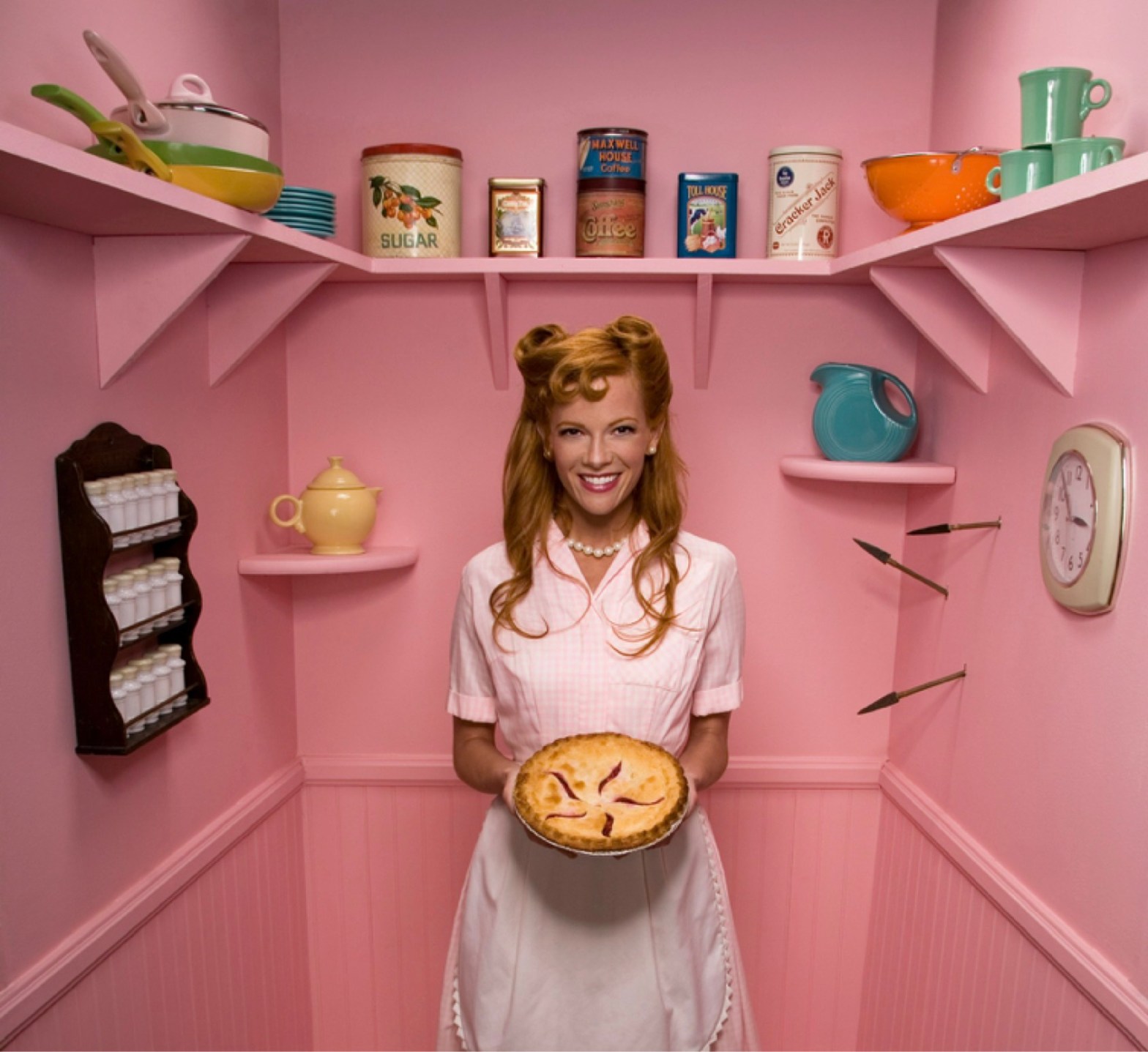
On International Women’s Day, people often take the chance to post on social media about being thankful for the women in their family. Is this, though, going to cut it when we are seeing stories in the media every day about a growing misogyny among young men? And, indeed, the day wasn’t intended to be a hallmark ready holiday. It arose out of the labour movement and had goals such as women’s suffrage and rights at work.
Leading Ash Wednesday for the First Time by Michael Jensen
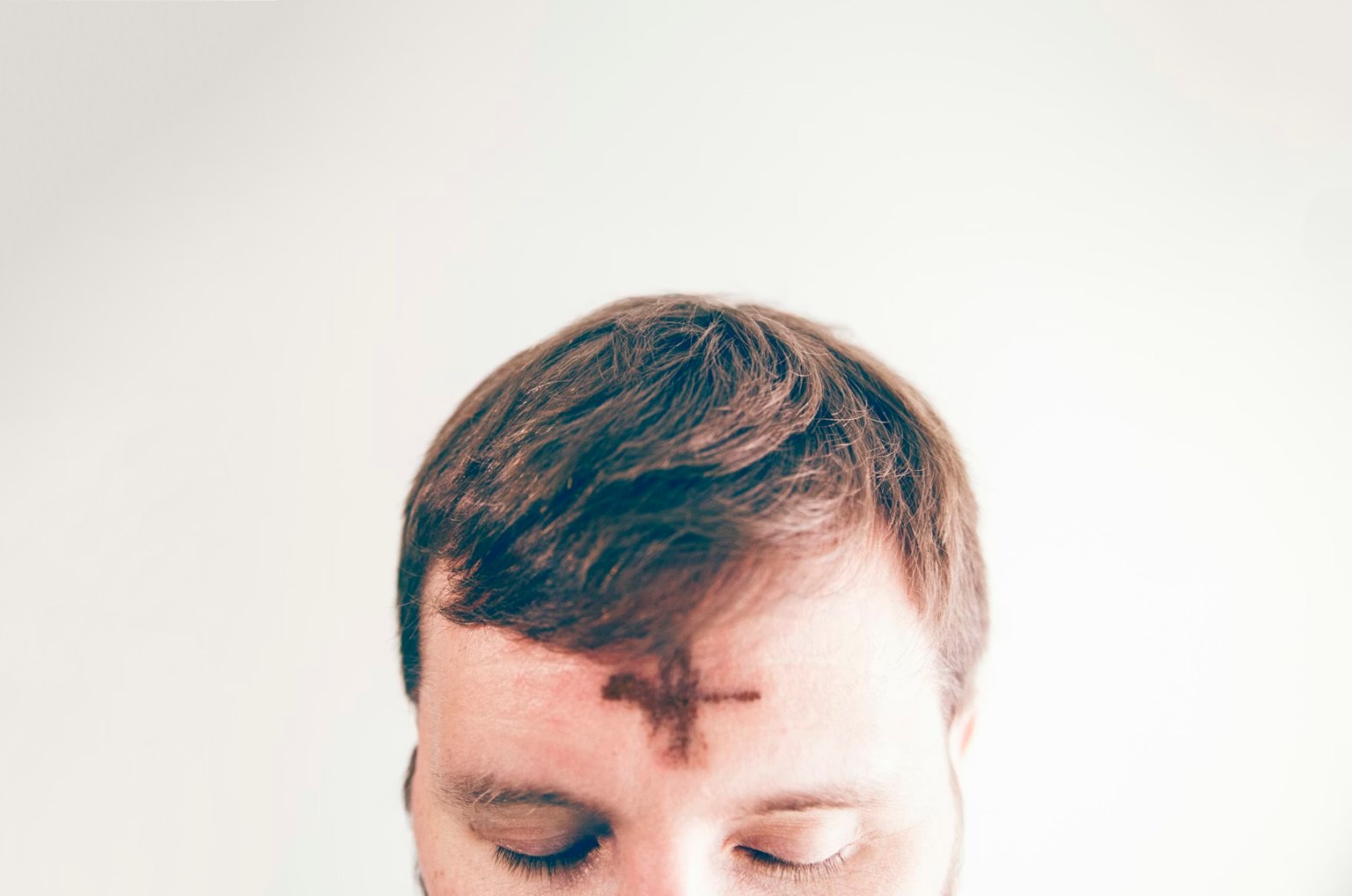
Yesterday, for the first time in my life, I led an Ash Wednesday service. And to my surprise, I found it extremely moving.
I say “to my surprise” because my tradition is not one for rituals. In fact, I was formed in church contexts that made a point of not doing things like Ash Wednesday—precisely because they looked too much like a Catholic observance. We worried about outward forms: about the danger that ritual action might substitute for inward faith, or worse, become a kind of spiritual performance.
The Prophetic Politics of Zohran Mamdani, by Caitlin Olsen
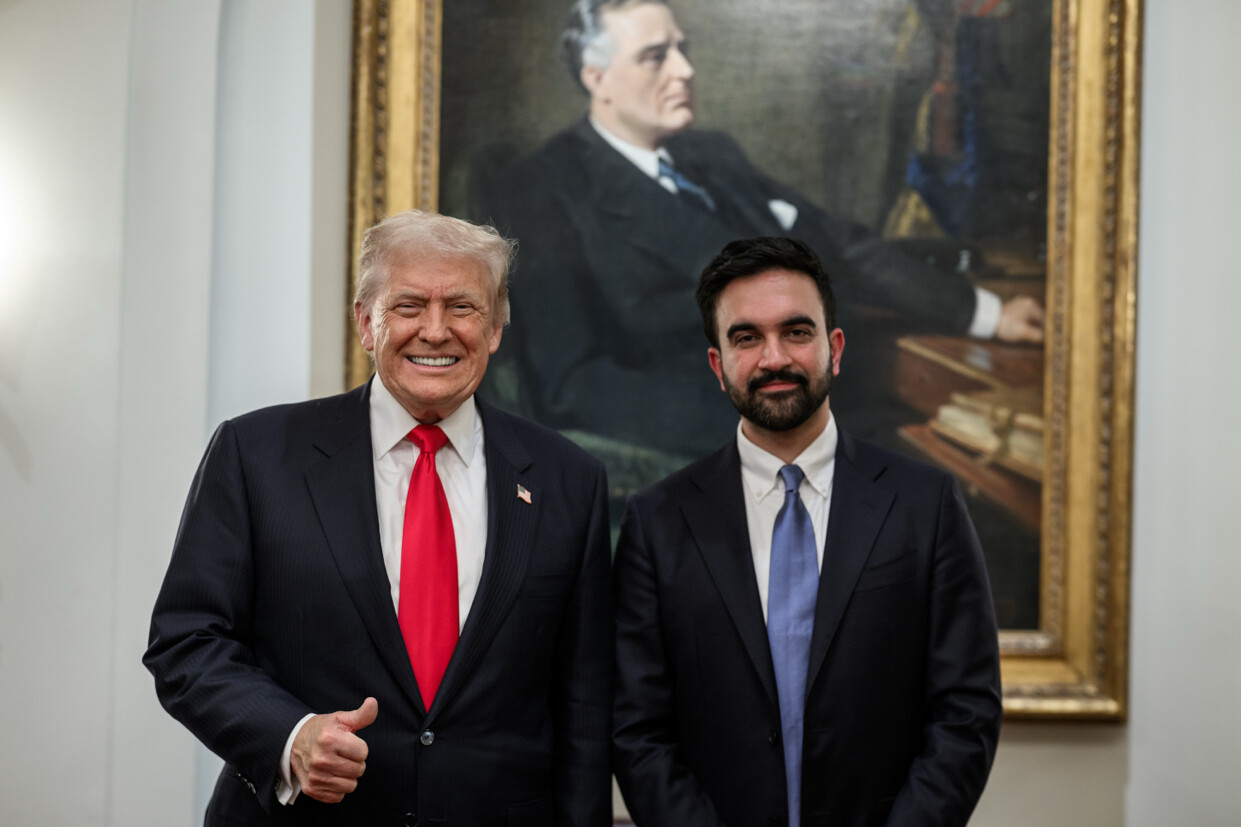
On January 1st of this year, Democrat Zohran Mamdani was sworn in as the mayor of New York City. He was elected on 4th November 2025, after a year-long campaign built on unapologetically Socialist priorities aimed at ameliorating the average American’s suffering in an affordability crisis. US President Donald Trump, himself a born-and-bred New Yorker, threatened to withhold federal funding from the city because of Mamdani’s election, which he claimed signals a “communist” future for the Democrats
Why Women Seeking Therapy is Framed as a Spiritual Problem, and Why That Needs Re-Examination: On a Recent Gospel Coalition Article. A critique by Kylie Walls

In recent weeks, an article published by The Gospel Coalition addressed an increased tendency for women to seek psychological or therapeutic support outside of the church
The concern expressed is one that some church leaders have expressed for many years, that people may no longer seek pastoral care, and seeking therapy is a way of displacing faith, Scripture, and the presence of God in people’s lives.
I do not deny that faith communities and church leaders can be powerful places of meaning, hope, and care. Many people do turn to their church and spiritual leaders as a refuge in times of distress, and this can be a genuine source of comfort and strength.
At the same time, the way this issue is framed by Kleinschmidt raises important questions about the appropriateness or benefits of seeking support outside of the church — especially for those (often women) who have experienced harm, silencing, or misuse of authority within church contexts
Jesus Born of Mary, by Jodie McIver

As a midwife, I regularly have the privilege of being involved with the birth of a baby. At the last such occasion, I watched through the dimly lit room as a newborn boy lay against his mother’s chest for the very first time. His parents pored over his every feature: the shape of his ears, were they the same as his Dad’s? Were his toes long like his mother’s? Did this also happen with Jesus?
The Father Who Knew Me, the Father Who Knows Me by Rachel Wilson

I have had occasion recently to reflect on good fatherhood. Two years ago, I woke up to a world without my darling father. After a long and brave battle with cancer, he went home to be with his heavenly Father on October 3, 2023. Though doctors told us we would not have him past Easter, by God’s grace we shared another six months: time for light rail adventures with his granddaughter, maths homework with his grandson, and even one last whisky with me on Father’s Day.
Trump’s Unsolicited Pregnancy Advice, by Jodie McIver

The world reacted strongly last month when US President Donald Trump took an adventurous step into the world of pregnancy advice, recommending women limit their use of acetaminophen (paracetamol) during pregnancy due to concerns about links with childhood autism.
Habemus Archiepiscopum Cantuariensem: First Female Archbishop of Canterbury, by Michael Bird

Dame Sarah Mullally, the Bishop of London, has been appointed as the 106th Archbishop of Canterbury, making history as the first woman to hold this ancient office in the 1,400-year existence of the English episcopate. Her appointment was approved by King Charles III, the supreme governor of the Church of England, following the recommendation of the Crown Nominations Commission, and she will be installed at Canterbury Cathedral in March 2026.
The Common Grace in the Church of Taylor Swift by Amy Isham

I’ve spent the last three months researching the experience of the Taylor Swift fandom through the lenses of philosopher Charles Taylor’s A Secular Age and affect theorist Lauren Berlant’s “intimate publics.” I have decided they’re two sides of the same coin. They describe the experience of transcendence from two different perspectives.
 thewadrproject.com